Document
Material corporate acts should leave a record that identifies the decision, authority, evidence and date.
 Tamam ShudPrivate family holding company
03
Governance
Ownership roles, corporate decisions and operating authority should remain intelligible after the people in the room have changed.

A decision should remain attributable after the meeting has ended.
Decision rights
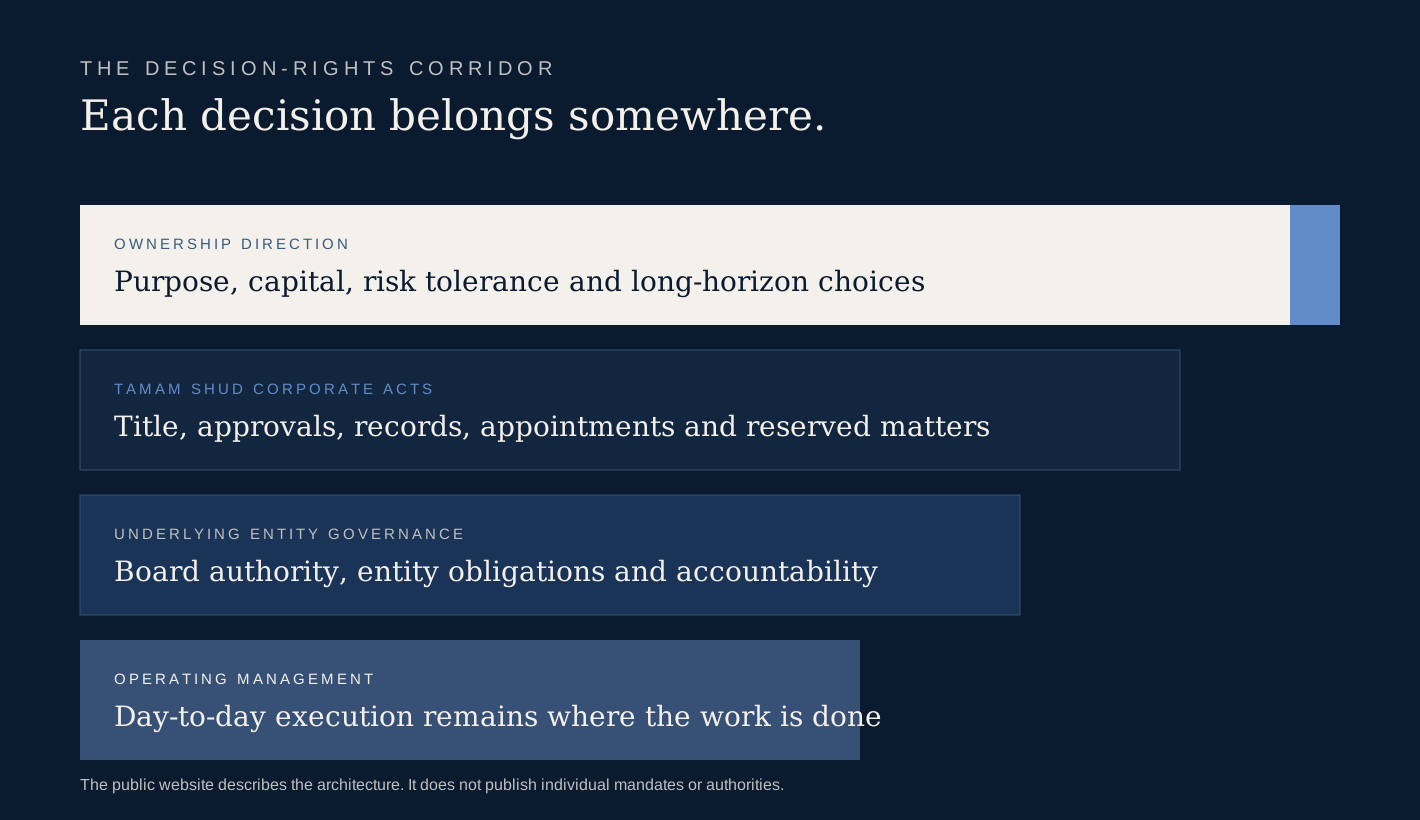
Ownership direction, company acts, underlying entity governance and operating management are related. They are not interchangeable.
The public website does not publish individual mandates or reserved-matter schedules. It does state the standard: roles should be clear, approvals proportionate and records capable of surviving a change in personnel.
Material corporate acts should leave a record that identifies the decision, authority, evidence and date.
Authority should sit at the lowest level that can exercise it properly, not at the highest level that can be persuaded to sign.
Ownership matters, conflicts, unusual risk and structural change deserve an explicit route upwards.

The governance record
Minutes and registers are not ceremonial paperwork. They preserve authority, explain sequence and reduce the cost of later reconstruction.
If a structure cannot be explained clearly, complexity has probably stopped earning its keep.
Proportion
More governance is not automatically better governance.
A private holding structure benefits from clear boundaries and reliable records. It does not benefit from importing every committee, paper and ritual used by a public institution regardless of scale or purpose.
The test is whether the arrangement improves control, accountability and continuity. If it merely increases the volume of documents, the answer is probably no.
Governance, without theatre.
The quality of a decision is not measured by the thickness of the pack that preceded it.