Activity
Movement is visible. Value is not always so obliging. The structure is not rewarded for staying busy.
 Tamam ShudPrivate family holding company
02
Stewardship
Long horizons can protect optionality and allow sound positions room to work. They do not improve a poor asset, remove risk or make delay virtuous.

Patience earns its place only when it preserves a better choice.
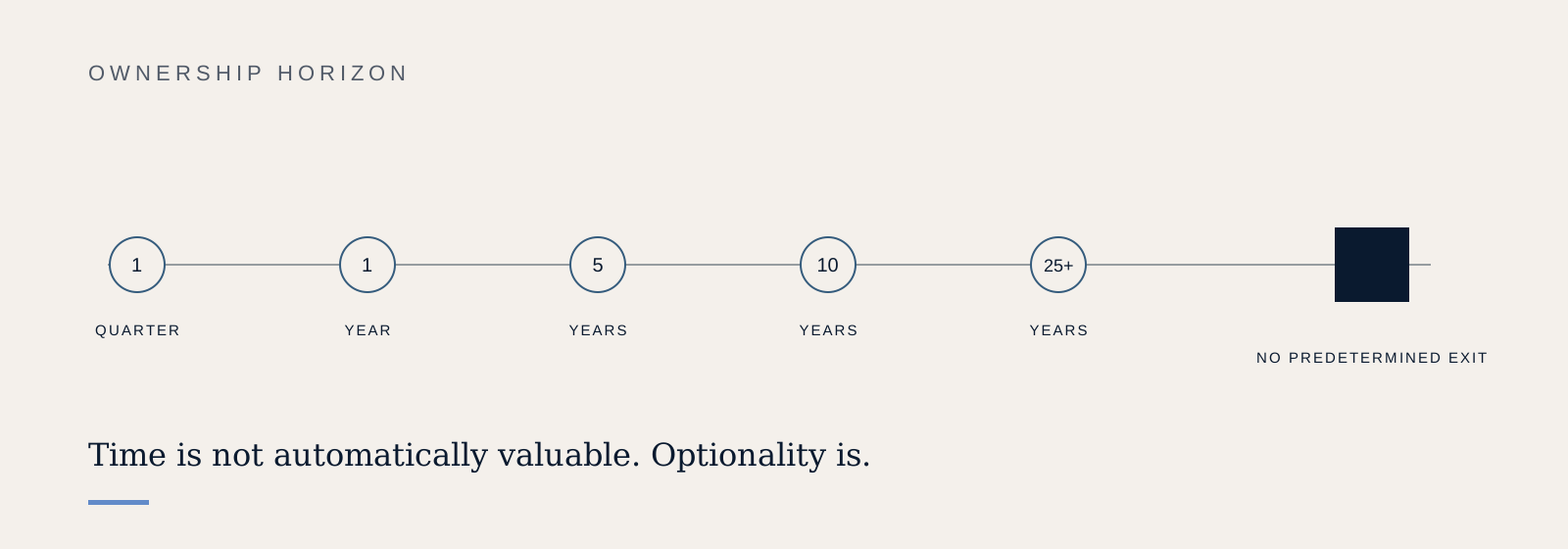
The ownership clock
A predetermined timetable can force a sensible owner to sell at an inconvenient moment. The absence of one is useful—but it is not a prohibition on selling.
Tamam Shud’s stated horizon leaves room to act, wait or decline. The decision should follow the economics and the governance, not an artificial need to appear active.
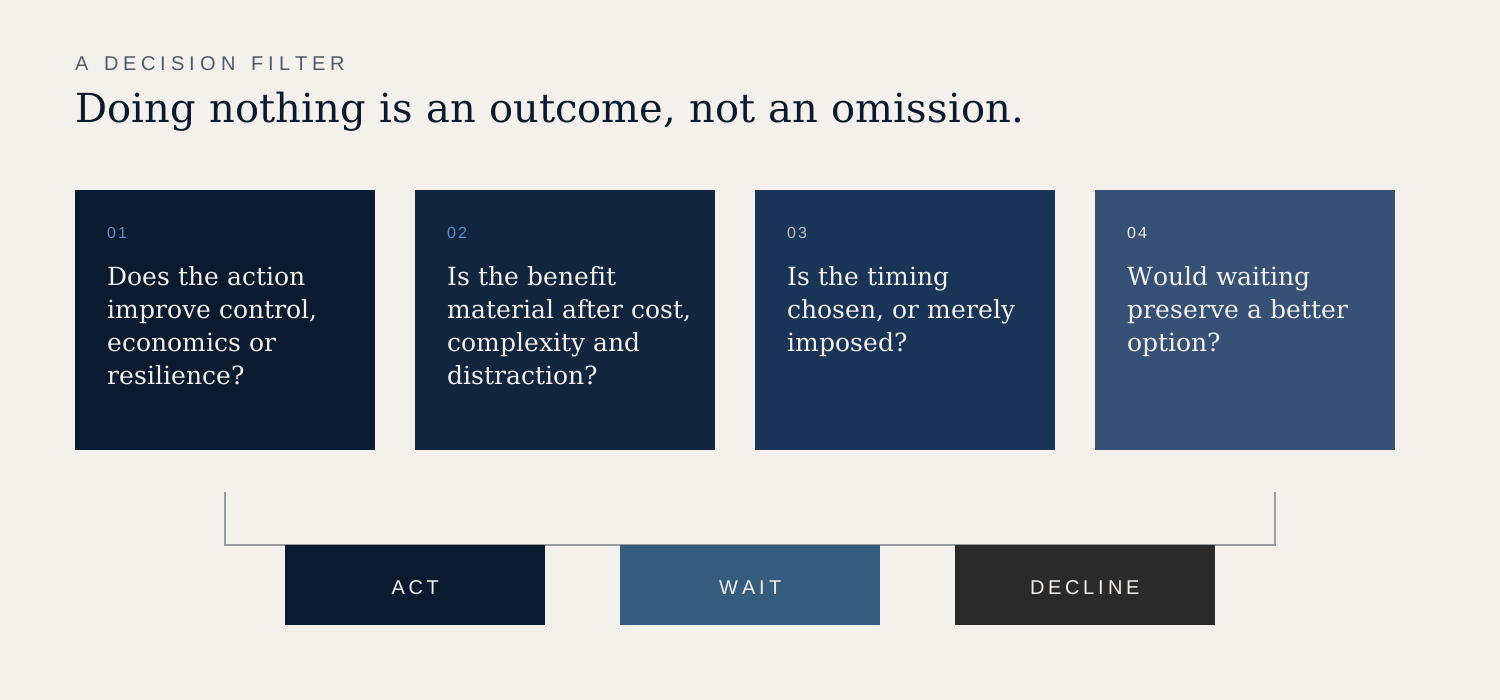
A decision filter
Doing nothing should be an examined choice, not a comfortable default.
Action is justified when it improves control, economics or resilience after cost, complexity and distraction. Waiting is justified when it preserves a better option. Declining is justified when the opportunity does not clear the bar.
What Tamam Shud does not optimise
Movement is visible. Value is not always so obliging. The structure is not rewarded for staying busy.
Familiarity is not a defect, and novelty is not evidence. Each position still has to earn capital and attention.
The ability to sell matters. The ability not to sell can matter just as much.

On time
Time may reveal quality, compound an advantage or allow a difficult transition to settle. It may also expose a flawed assumption. The calendar does not choose between them.
Time does not improve a poor asset. It merely gives a sound one room to work.
Optionality, not inertia.
The structure is designed to preserve choice, not to celebrate delay.